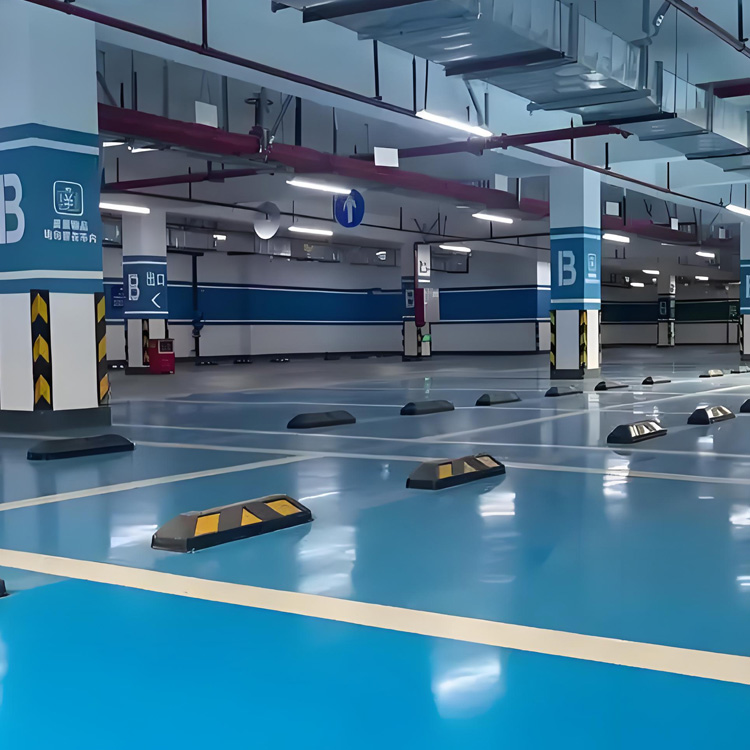
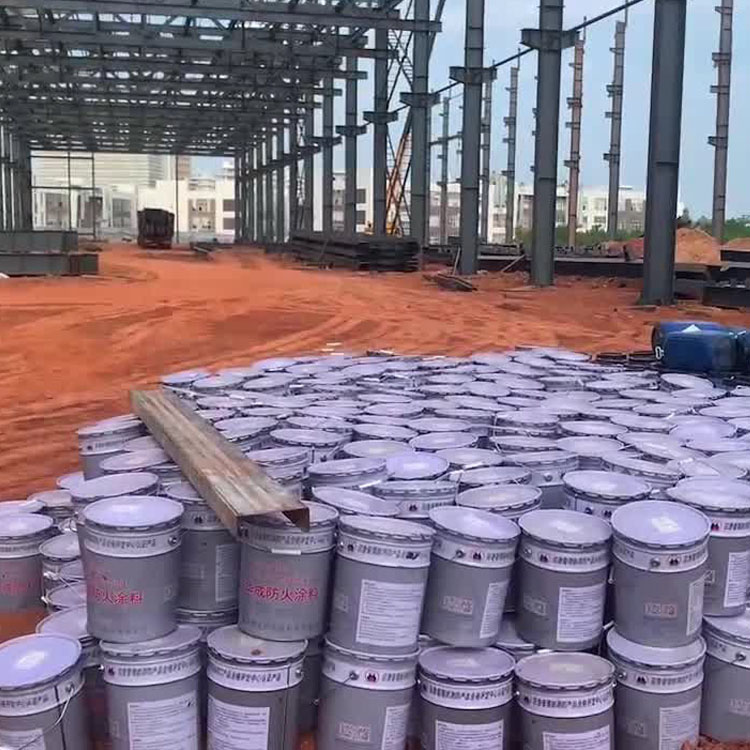
Huacheng provides Water-Based Industrial Steel Structure Antirust Paint designed to help protect industrial steel components against rust and corrosion. With reported adhesion, water resistance, salt spray resistance, and decorative performance, this coating is suitable for steel structures that require dependable surface protection and practical application.
Steel structures are widely used in industrial buildings, bridges, machinery, pipelines, shipbuilding, and infrastructure projects. However, exposure to moisture, oxygen, salts, and changing environmental conditions can gradually damage unprotected steel. Water-based industrial antirust paint offers a practical approach to corrosion control while supporting lower-odor coating operations. This article explains how water-based steel coatings work, their main benefits, suitable applications, surface preparation requirements, application procedures, and selection considerations. It also examines the product characteristics presented by Huacheng to help engineers, contractors, and purchasing teams make informed coating decisions.
1. Why Does Steel Structure Corrosion Need Attention?
2. How Does Water-Based Industrial Antirust Paint Work?
3. What Are the Main Benefits of Water-Based Antirust Paint?
4. Where Can This Industrial Steel Coating Be Used?
5. Product Characteristics and Technical Data
6. How Should Water-Based Antirust Paint Be Applied?
7. How Can Buyers Choose the Right Steel Antirust Coating?
9. Conclusion: Improve Steel Protection with the Right Coating
Steel offers strength, versatility, and efficient fabrication, making it an essential material for industrial construction. Nevertheless, bare steel can corrode when exposed to water and oxygen. Industrial atmospheres, coastal salt, chemical contaminants, and persistent condensation may accelerate deterioration.
Corrosion can cause several practical problems:
Applying an appropriate protective coating helps reduce direct exposure to corrosive conditions. However, coating performance depends on substrate preparation, film thickness, environmental conditions, and maintenance. Paint should form part of a planned corrosion-control system rather than serve as a substitute for structural inspection.
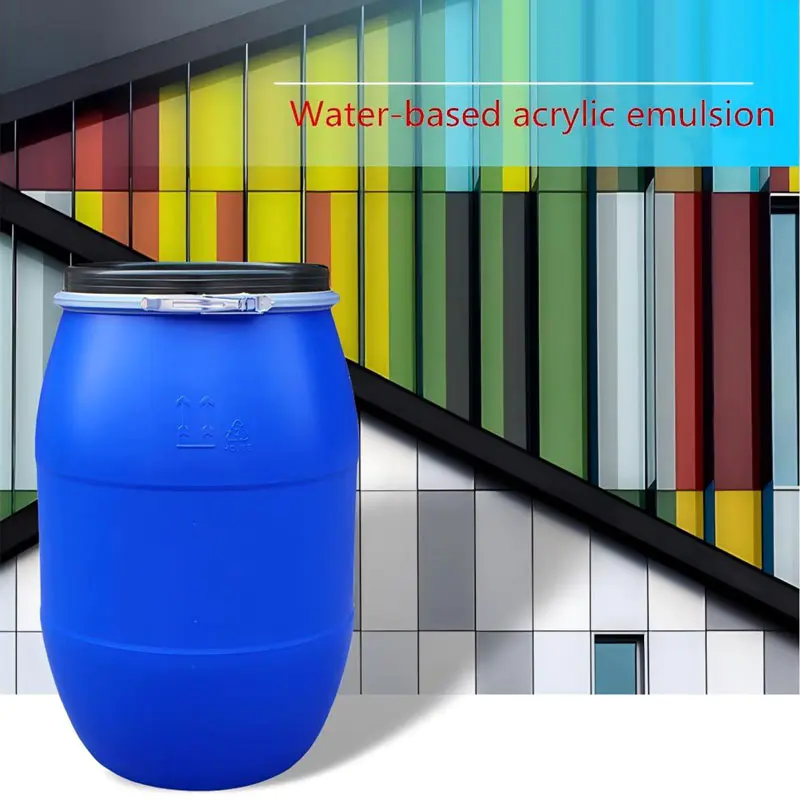
Water-based industrial steel coatings use water as the principal liquid carrier instead of relying entirely on conventional organic solvents. After application, water evaporates and the coating develops a film according to its formulation and curing conditions.
Effective antirust protection depends on several interacting factors:
Huacheng describes its water-based steel coating technology as using a penetration and transformation mechanism, with an emphasis on improving adhesion and alkali resistance. The company also identifies water resistance, salt spray resistance, and decorative performance as product characteristics.
For projects requiring additional protection, the coating should be evaluated alongside the intended primer, intermediate coat, and topcoat. Compatibility must be confirmed before applying a multilayer system. For more information about related solutions, explore Huacheng's industrial coating and anticorrosive coating products.
Water-based formulations can help reduce solvent use and coating odors compared with many conventional solvent-based products. Actual volatile organic compound (VOC) content varies by formulation, so buyers should request product-specific technical data and applicable compliance documentation.
Huacheng lists a surface-drying time of approximately 0.3–3 hours and a hard-drying time of approximately 1–6 hours under its stated product specifications. These figures can help with production planning, but actual drying depends on temperature, humidity, ventilation, applied film thickness, and substrate conditions.
Adhesion is essential because a coating that detaches from steel leaves the underlying metal vulnerable. Huacheng highlights improved adhesion and alkali resistance, together with antirust performance. Correct cleaning, suitable application conditions, and compatibility with subsequent coats remain essential to achieving the intended result.
Water resistance helps a coating withstand moisture exposure, while salt spray resistance is relevant when evaluating protection under specified corrosive test conditions. These properties do not automatically establish suitability for every coastal or chemical environment. Project teams should review test methods, exposure severity, and the manufacturer's recommended coating system.
The product is described as economical, with relatively high solids content and broad painting coverage. Actual consumption depends on solids by volume, target dry-film thickness, substrate profile, application technique, and losses. Comparing total installed cost is more useful than comparing the purchase price per kilogram alone.
Water-based industrial antirust paint can be considered for steel components across a variety of manufacturing and infrastructure environments, subject to the coating's verified performance and project specifications.
| Application | Typical Steel Components | Key Selection Consideration |
|---|---|---|
| Automotive manufacturing | Steel frames, fabricated parts, equipment structures | Adhesion, production speed, and compatibility |
| Shipbuilding | Steel assemblies and selected structural components | Marine exposure and specified corrosion protection |
| Machinery manufacturing | Machine frames, supports, and fabricated steel parts | Mechanical durability and finish requirements |
| Bridges and infrastructure | Steel members, supports, and associated structures | Atmospheric exposure and maintenance intervals |
| Pipelines and industrial facilities | Suitable above-ground steel sections and supports | Moisture, chemical exposure, and operating conditions |
| Boilers and large steel structures | Eligible external steel surfaces and structural assemblies | Operating temperature and system-specific requirements |
These applications reflect the product's stated industry scope, not blanket approval for every component. Immersion service, severe chemical exposure, and continuously high-temperature operation require separate suitability checks. Antirust paint also does not replace a dedicated fire-resistant coating where fire protection is required.
When evaluating a water-based coating, purchasers should review both the available product specifications and the test conditions behind each reported value. The following table summarizes the characteristics listed on Huacheng's product page.
| Parameter | Listed Value or Description | Practical Significance |
|---|---|---|
| Surface drying time | Approximately 0.3–3 hours | Helps estimate handling and recoating schedules; verify actual conditions. |
| Hard drying time | Approximately 1–6 hours | Indicates the listed hard-drying range, not necessarily full cure. |
| Freeze-thaw stability | 3 cycles without deterioration | Indicates reported stability under the specified test conditions. |
| Adhesion | Listed as “4.4bo” on the product page | Confirm the intended value, test method, and rating interpretation with the manufacturer. |
| Water resistance | Identified as a product characteristic | Request the applicable test results for the intended exposure. |
| Salt spray resistance | Identified as a product characteristic | Confirm test duration, standard, and acceptance criteria. |
Important technical note: The values above are product-page specifications, not independently verified test results. The adhesion notation is reproduced as listed because its meaning is unclear without the original test standard. Before procurement, request the current technical data sheet (TDS), safety data sheet (SDS), recommended film thickness, coverage rate, recoat interval, and relevant test reports.
Even a well-formulated coating can underperform when surface preparation or application is inadequate. A consistent work procedure helps improve film continuity, adhesion, and long-term protection.
Remove dust, loose rust, grease, oil, and other contaminants before coating. The required level of rust removal should follow the project specification and manufacturer's instructions. Where necessary, use an approved mechanical or abrasive cleaning method.
Huacheng's published application guidance indicates a minimum application temperature of approximately 5°C and a relative humidity limit of around 80%. Confirm these limits against the current product instructions. Check steel temperature, condensation risk, ventilation, and expected weather conditions before work begins.
Stir the paint until it is uniform, following the recommended mixing procedure. This helps redistribute ingredients that may have settled during storage. Avoid introducing contamination or excessive air during mixing.
If thinning is permitted, add only the specified amount of clean water. Excessive dilution may reduce film build and affect application performance. Do not add other materials unless the manufacturer confirms their compatibility.
Use an approved brush, roller, or spray method according to the project requirements and product instructions. Pay particular attention to edges, welds, corners, fasteners, and other areas where film coverage may be inconsistent.
Allow the coating to dry under suitable conditions before handling or recoating. Check film continuity, visible defects, and dry-film thickness where required. Record application conditions and correct defects before the surface enters service.
For industrial projects, coating work should be performed by trained personnel following the approved method statement and applicable safety requirements.
Procurement teams should evaluate more than the coating name or advertised drying speed. A suitable selection begins with the actual operating environment and the expected service life of the steel structure.
Buyers sourcing from a China-based coating manufacturer should also clarify packaging, lead times, sample availability, technical support, and export documentation. For large projects, a trial application on representative steel substrates can help verify application behavior before full-scale use.
It is used to help protect suitable steel surfaces from rust and corrosion. Potential applications include machinery, fabricated steel structures, bridges, pipelines, shipbuilding components, and industrial facilities. Final suitability depends on the exposure environment and project specifications.
Water-based coatings generally use water as their principal liquid carrier and may reduce solvent use and odor compared with many solvent-based alternatives. However, environmental performance varies by formulation. Buyers should check the product's VOC content, safety data sheet, and applicable regulatory documentation rather than assume that every water-based coating is harmless.
Huacheng lists surface drying at approximately 0.3–3 hours and hard drying at approximately 1–6 hours. These are indicative product-page values. Temperature, humidity, ventilation, and coating thickness can change the actual drying time. Follow the current technical instructions before handling or applying another coat.
Yes. Dust, loose rust, oil, grease, and other contaminants should be removed according to the required surface preparation standard. Do not assume that conventional antirust paint can be applied directly over heavy or loose rust. If retaining a rusted substrate is necessary, confirm whether a specifically designed rust-conversion primer is suitable.
Water resistance and salt spray resistance are listed among Huacheng's product characteristics. Nevertheless, coastal exposure can be demanding. Request test data, confirm the recommended coating system, and evaluate the required film thickness and maintenance plan before selecting the product for a marine or high-salinity environment.
Buyers can visit the Water-Based Industrial Steel Structure Antirust Paint product page to review the available product information and submit an inquiry. For project evaluation, request the current TDS, SDS, test documentation, application guidance, and a quotation based on the required quantity and delivery destination.
Corrosion prevention is an important part of maintaining industrial steel structures, controlling maintenance expenses, and supporting reliable operation. Water-based industrial antirust paint offers a practical option for projects seeking adhesion, rust protection, water resistance, and convenient coating application. The best results depend on choosing a coating suited to the exposure environment, preparing the substrate correctly, following application instructions, and verifying technical performance before procurement.
Huacheng's water-based industrial steel structure antirust paint is worth evaluating for suitable industrial and infrastructure applications. Whether you are sourcing coatings for machinery, steel fabrication, pipelines, or large structural components, contact us to discuss your application requirements, request detailed technical information, and obtain a product quotation for your next steel protection project.