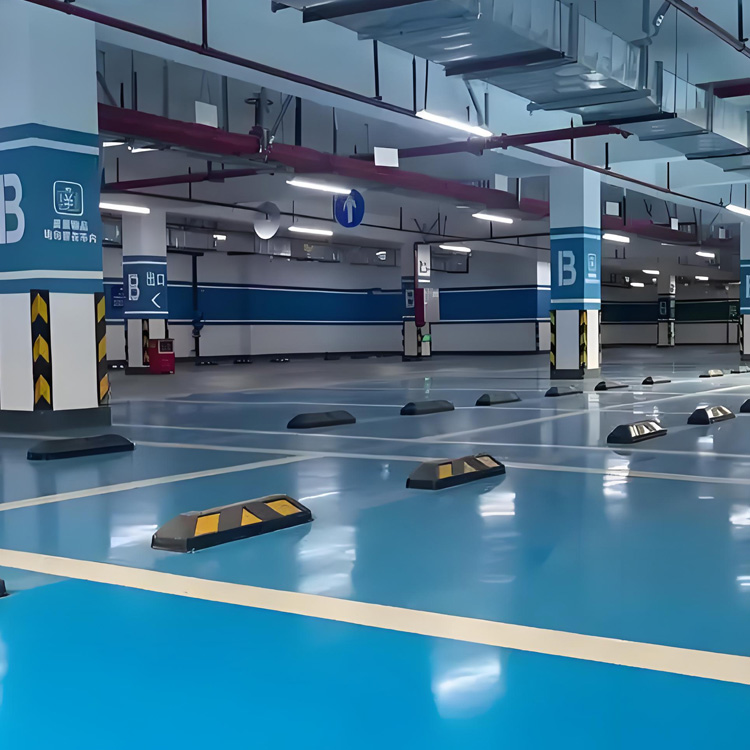
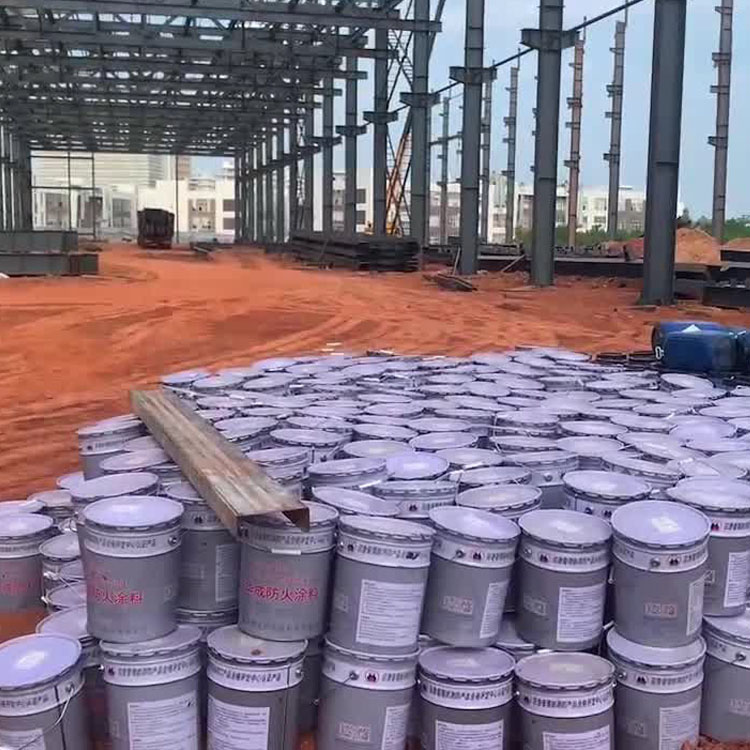
Epoxy floor coatings have become a preferred solution across industrial, commercial, and residential environments due to their exceptional durability, chemical resistance, and low maintenance requirements. This article provides a comprehensive guide to how epoxy floor coatings work, their key benefits, technical parameters, application processes, and how they solve common flooring challenges. It also includes a structured overview, practical insights, and answers to frequently asked questions to help decision-makers choose the right solution.
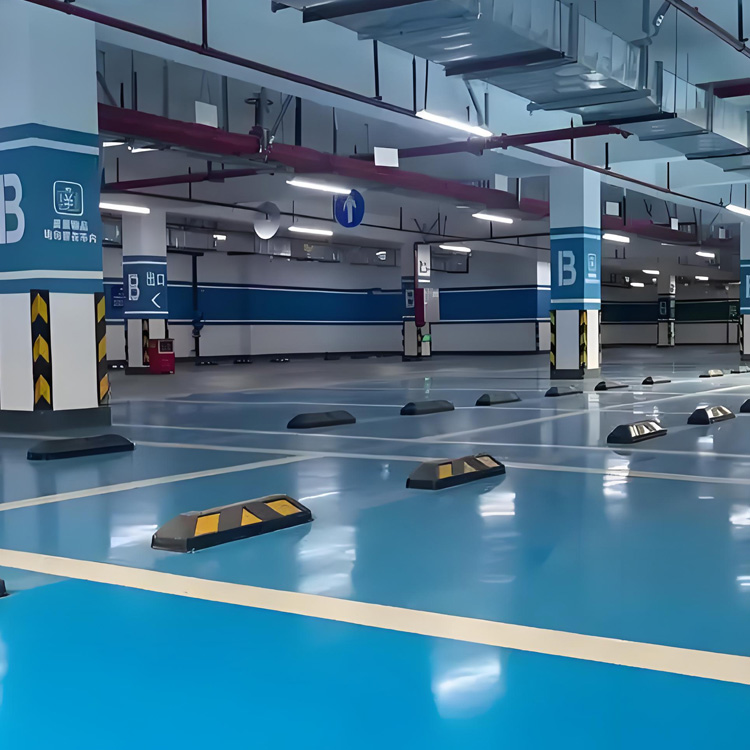
Epoxy floor coatings are thermosetting resin systems formed by mixing epoxy resin with a curing agent. Once applied to a properly prepared substrate, such as concrete, the mixture undergoes a chemical reaction that creates a rigid, high-performance surface.
Unlike traditional floor paints, epoxy coatings form a thick, seamless layer that bonds tightly to the substrate. This results in enhanced mechanical strength, chemical resistance, and long-term durability.
Modern epoxy systems offered by manufacturers like HuaCheng are engineered to meet demanding operational requirements, including heavy traffic, chemical exposure, and strict hygiene standards.
Many facilities face persistent flooring issues that lead to increased operational costs. Epoxy floor coatings effectively address these challenges:
The performance of epoxy flooring depends heavily on correct application procedures. A typical process includes:
| Parameter | Typical Value |
|---|---|
| Thickness | 0.5 mm – 5 mm |
| Compressive Strength | > 80 MPa |
| Adhesion Strength | > 2.5 MPa |
| Hardness | Shore D 80–90 |
| Chemical Resistance | Excellent |
| Service Life | 5–15 years |
Epoxy floor coatings are widely used across multiple sectors due to their versatility:
Selecting the appropriate epoxy flooring system requires careful evaluation of several factors:
HuaCheng offers a range of epoxy floor coatings tailored to meet these varying requirements, ensuring optimal performance in diverse environments.
Q1: How long does epoxy flooring last?
Epoxy flooring typically lasts between 5 to 15 years, depending on usage conditions, maintenance, and installation quality.
Q2: Is epoxy flooring suitable for outdoor use?
Standard epoxy coatings are not ideal for prolonged UV exposure. However, UV-resistant topcoats can be applied for outdoor applications.
Q3: How long does installation take?
Installation usually takes 2–5 days, including curing time. Larger or more complex projects may require additional time.
Q4: Can epoxy be applied over damaged concrete?
Yes, but proper surface repair and preparation are essential to ensure adhesion and long-term performance.
Epoxy floor coatings provide a high-performance solution for environments that demand durability, safety, and cost efficiency. By forming a seamless and resilient surface, they significantly reduce maintenance requirements while improving operational reliability.
With advanced manufacturing capabilities and a commitment to quality, HuaCheng delivers epoxy floor coating systems designed to meet modern industrial and commercial needs. Whether upgrading an existing floor or planning a new installation, selecting the right system is critical to achieving long-term value.
For tailored solutions and expert guidance, visit the product page or contact us today to discuss your specific project requirements and receive professional support.